Embracing Stillness: Photography That Captures Peace

Updated: Aug 11
In a world that often feels chaotic and fast-paced, the concept of stillness can seem elusive. Yet, through the lens of a camera, we can capture moments that embody tranquility and serenity. Photography has the unique ability to freeze time, allowing us to appreciate the beauty of peaceful scenes that might otherwise go unnoticed. This blog post explores how we can embrace stillness in our work, and offers practical tips and insights to help you create images that resonate with calmness and peace.

Understanding the Essence of Stillness in Photography
What is Stillness?
Stillness in photography refers to the ability to convey a sense of calm and tranquility through visual imagery. It is about capturing moments that evoke feelings of peace, introspection, and reflection. This can be achieved through various techniques, including composition, lighting, and subject matter. For me, my journey into Stillness has been synonymous with Solitude. Over the past few years, I have begun intentionally to build periods of silence and solitude into my life as I seek to disconnect from external influences (phone off) and connect with my Maker. These periods of time for me are personal. But even if you are not a person of faith, there is real power in being able to step away from the rat-race and be still.
The Importance of Stillness
In our busy lives, finding moments of peace is essential for our mental well-being. Photography that captures stillness allows viewers to escape the noise of everyday life, even if just for a moment. It encourages mindfulness and appreciation for the beauty around us. By embracing stillness in your photography, you can create images that resonate deeply with your audience.
Techniques for Capturing Stillness
1. Choose the Right Subject
The subject of your photograph plays a crucial role in conveying stillness. Consider the following:
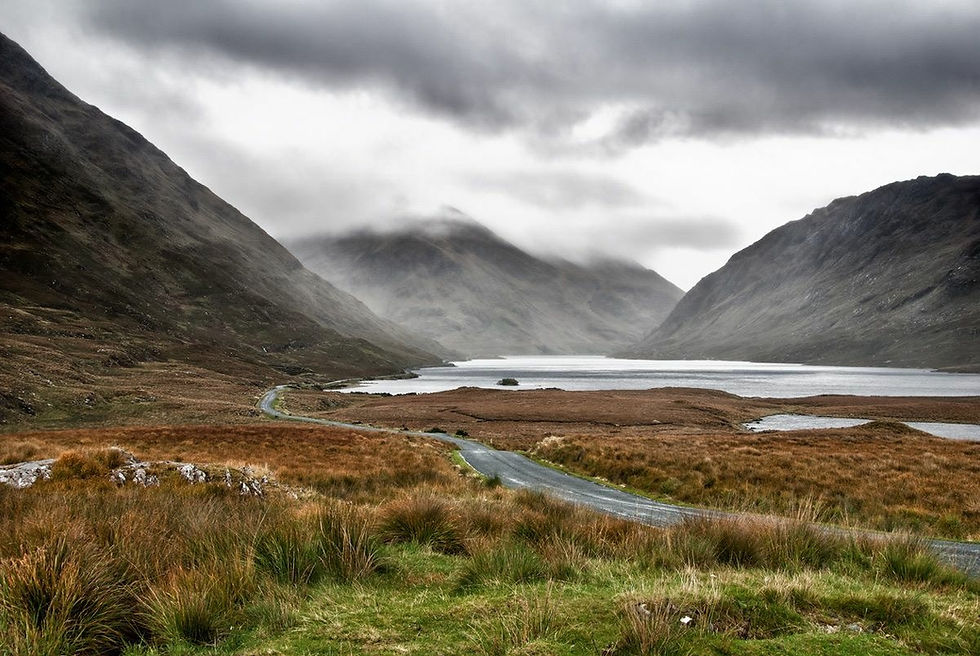
Nature Scenes: Landscapes, lakes, and forests often evoke a sense of calm. Look for serene locations that inspire tranquility.
Minimalism: Simple compositions with few elements can create a peaceful atmosphere. Focus on a single subject, such as a lone tree or a quiet street. Its amazing how, if you have the patience, its possible to get a deserted street even in a busy city.
Still Life: Arranging objects in a calm and deliberate manner can also convey stillness. Think about how light interacts with the objects to enhance the mood.
2. Master Your Composition
Composition is key to creating images that feel balanced and serene. Here are some tips:
Rule of Thirds: Position your subject off-center to create a more dynamic and engaging image. This technique can lead to a more harmonious composition. Many modern cameras have the ability to superimpose a rule of thirds grid in the viewfinder hub. I have mine always on and now I work without almost without thinking.
Leading Lines: Use natural lines in your scene to guide the viewer’s eye toward the subject. This can create a sense of depth and tranquility. This can be a river, a cloud formation, a fence line or a street .
Negative Space: Incorporating negative space can enhance the feeling of stillness. It allows the viewer to breathe and appreciate the simplicity of the scene.
3. Play with Light
Lighting can dramatically affect the mood of your photographs. Consider these approaches:
Golden Hour: The soft, warm light during sunrise and sunset can create a magical atmosphere. This time of day is perfect for capturing peaceful landscapes. Remember though, that at this time of the day, the light can change or drop quickly.
Soft Shadows: Aim for soft, diffused light to minimize harsh shadows. Overcast days can provide an excellent opportunity for capturing even light that enhances stillness.
Backlighting: Experiment with backlighting to create silhouettes and ethereal effects. This technique can add a layer of depth and intrigue to your images.
4. Use Long Exposure Techniques
Long exposure photography can beautifully capture stillness, especially in natural settings. Here’s how to do it:
Smooth Water: Use a tripod and a slow shutter speed to create smooth, glass-like water surfaces. This technique is particularly effective for lakes and rivers.
Cloud Movement: Capture the movement of clouds over time, creating a sense of motion against a still landscape. This contrast can evoke feelings of peace and contemplation.
Light Trails: In urban settings, long exposure can capture the movement of lights while keeping the surroundings still, creating a unique juxtaposition.
Finding Inspiration for Peaceful Photography
Nature Retreats
Spending time in nature can provide endless inspiration for stillness photography. Consider visiting:
Forests or National Parks: These areas often feature breathtaking landscapes that embody tranquility. Look for quiet spots away from the crowds or off the beaten track....don't get lost though!
Botanical Gardens: These serene environments are perfect for capturing the beauty of flora in a peaceful setting.
Lakes and Rivers: Bodies of water can reflect the surrounding landscape, creating stunning images that evoke calmness.
Mindfulness Practices
Incorporating mindfulness into your photography can enhance your ability to capture stillness. Here are some practices to consider:
Meditation: Spend a few moments in silence before you begin shooting. This can help you connect with your surroundings and find peace in the moment. I have a small collapsible stool that I keep with me and I enjoy being able to just sit down and embrace the moment.
Breath Awareness: Focus on your breath as you shoot. This can ground you and allow you to be present, enhancing your ability to see and capture stillness. You are not in a hurry. You can afford to slow down and just breathe.
Journaling: Reflect on your experiences and feelings after a photography session. This can help you understand what stillness means to you and how to convey it through your work. I often do this by creating a voice note. Its a way to remind myself of what captured my attention and I can write more about it later.
Editing for Tranquility
Colour Grading
The colours you choose in post-processing can significantly impact the mood of your images. Consider these tips:
Soft Tones: Use pastel colours or muted tones to create a calming effect. This can enhance the feeling of peace in your photographs.
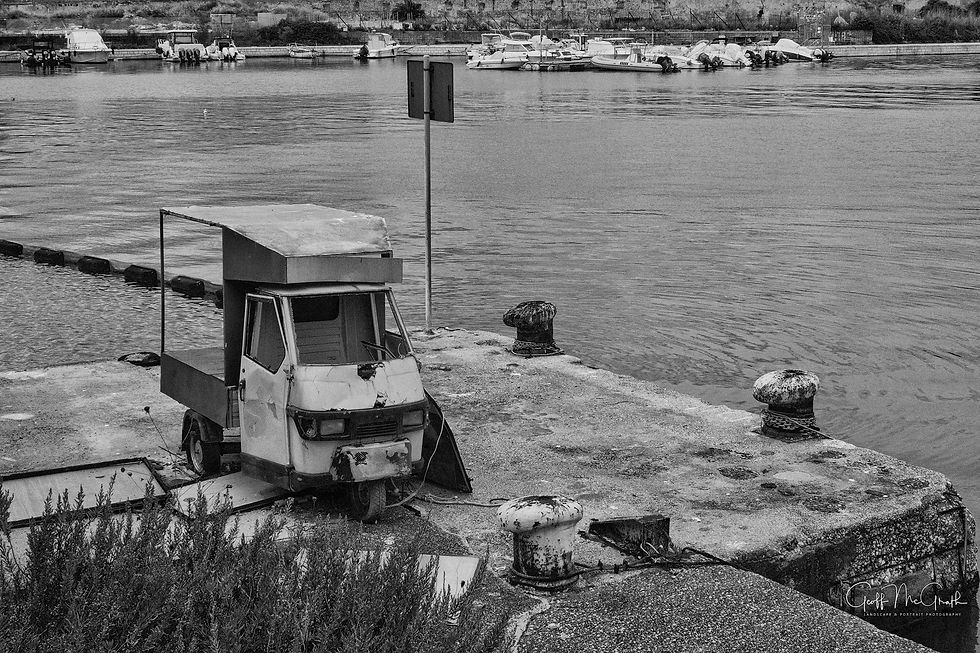
Desaturation: Reducing saturation can create a more subdued and tranquil atmosphere. This technique works well for landscapes and still life. Even black and white can be striking. Just look at the work of Ansel Adams, a master craftsman in landscape photography. His work was predominantly monochrome.
Contrast: Keep contrast low to maintain a soft, gentle look. High contrast can create tension, which may not align with the theme of stillness.
Cropping and Framing
In post-processing, consider how cropping can enhance your composition:
Remove Distractions: Eliminate any elements that detract from the peacefulness of the image. This can help focus the viewer’s attention on the subject. I actually find that being able to do this has freed me up immensely. I have taken landscape which have had distracting elements like people or vehicles, but then I've been able to remove them in post-production. In the past, I would have gotten frustrated. Knowing that I have the ability to do this, frees me from the unrealistic expectations I can often place on myself or others.
Enhance Negative Space: If your image feels cluttered, consider cropping to increase negative space. This can create a more serene composition.
Sharing Your Work
Once you’ve captured and edited your peaceful photographs, it’s time to share them with the world. But at the same time...here's an interesting idea. You don't need to. Again, free yourself from expectation. In the past I was driven by the need to post online. To show I was active. Make your photography about you and that moment. If you want to share it, then share it, but don't be distracted by some sense of 'need' to.
Here are some effective ways to do so:
Online Portfolios
Creating an online portfolio allows you to showcase your best work. Consider using platforms like:
Flickr: A community for photographers to share and explore images.
500px: A platform that focuses on high-quality photography.
Personal Website: Building your own website gives you complete control over how you present your work.
Social Media
While social media can be fast-paced, it can also be a great way to share your peaceful photography. Consider these tips:
Curate Your Feed: Focus on sharing images that align with the theme of stillness. This can create a cohesive and calming aesthetic.
Engage with Your Audience: Encourage discussions about peace and tranquility in your posts. This can foster a community of like-minded individuals.
Conclusion
Embracing stillness in photography allows you to capture moments of peace that resonate with viewers. By choosing the right subjects, mastering composition, playing with light, and utilizing long exposure techniques, you can create images that evoke tranquility. Finding inspiration in nature and incorporating mindfulness practices can further enhance your ability to capture stillness. Finally, sharing your work through online portfolios and social media can help spread the message of peace and calmness in a chaotic world. But in the end, do it for you and your own personal fulfillment.
As you embark on your journey to capture stillness, remember that photography is not just about the images you create but also about the emotions you evoke. Take a moment to breathe, observe, and appreciate the beauty around you. Your lens can be a powerful tool for embracing stillness and sharing it with others.

Comments