Mindful Seeing: The Art of Photography and Reflection

Updated: Aug 11
Photography is more than just a hobby or a profession; it is a powerful medium for self-expression and reflection. In a world filled with distractions, the practice of mindful seeing can transform the way we perceive our surroundings and capture moments. This blog post explores the art of photography through the lens of mindfulness, offering insights and practical tips for photographers at any level.
Understanding Mindful Seeing
Mindful seeing is the practice of observing the world around you with intention and awareness. It encourages you to slow down and truly engage with your environment. This approach can enhance your photography by allowing you to notice details that might otherwise go overlooked.
The Benefits of Mindful Seeing
Enhanced Creativity: By being present in the moment, you open yourself up to new ideas and perspectives.
Improved Focus: Mindful seeing helps reduce distractions, allowing you to concentrate on your subject.
Deeper Connection: Engaging with your surroundings fosters a stronger emotional connection to your photography.
The Intersection of Photography and Mindfulness
Photography and mindfulness share a common goal: to capture and appreciate the beauty of the present moment. When you combine these two practices, you can create images that resonate on a deeper level.
Techniques for Mindful Photography
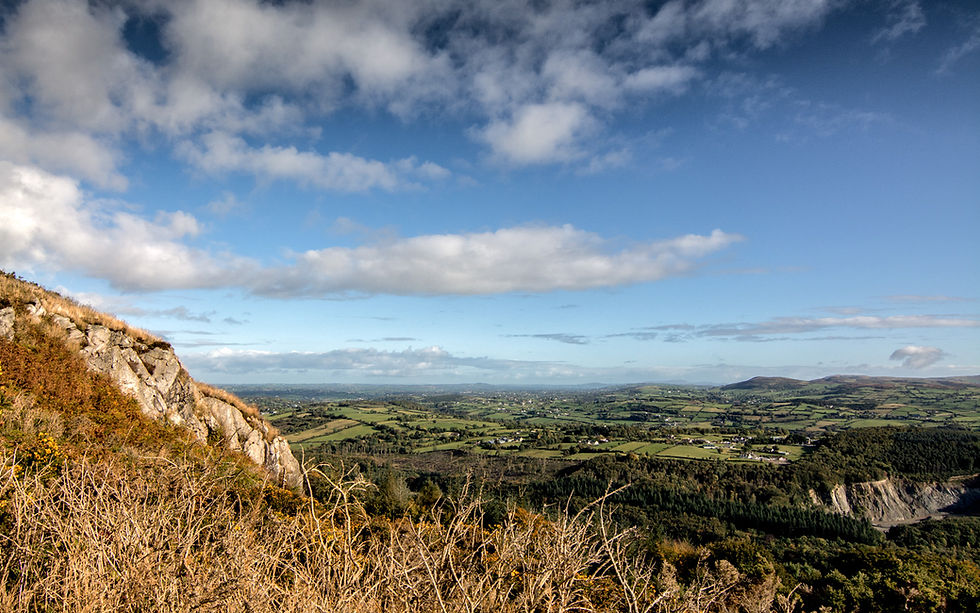
Slow Down: Take your time when composing a shot. Instead of rushing to capture an image, pause and observe your surroundings. One thing which I have found helpful, is to stop and look behind me. Sometimes we are so focused on the shot in front of us, we can miss an equally good or even better one. As I walk through a landscape, I often stop and just look around. It's amazing how the change in perspective can improve a photograph.
Breathe: Before taking a photo, take a deep breath. This simple act can help center your thoughts and clear your mind.
Engage Your Senses: Pay attention to what you see, hear, and feel. This sensory engagement can inspire your photography and lead to more meaningful images. Sometimes when taking landscapes, I will deliberately adjust the height of my tripod to allow me to just sit down on the grass or on a rock and slow myself down... and drink in the beautiful scene before me. I ask myself, "What are you seeing and smelling?" That can in turn lead us to become aware of other objects in the vicinity that would make great subjects.
Finding Inspiration in Everyday Life
Inspiration for photography can be found in the most mundane places. By practicing mindful seeing, you can uncover beauty in everyday moments.
Everyday Subjects to Photograph
Nature: Parks, gardens, and even your backyard can provide stunning subjects.
Architecture: Look for interesting shapes, lines, and textures in buildings around you.
People: Capture candid moments of individuals in their natural environment.
Tips for Capturing Everyday Moments
Change Your Perspective: Experiment with different angles and viewpoints. A low angle can create a dramatic effect, while a high angle can provide a unique overview.
Focus on Details: Zoom in on small elements that tell a story, such as a flower petal or a weathered door.
Be Patient: Sometimes, the best moments happen when you least expect them. Wait for the right moment to unfold.
The Role of Reflection in Photography
Reflection is a crucial aspect of both mindfulness and photography. It allows you to evaluate your work and understand your growth as a photographer. And as a human being, reflection is something that we seldom take enough time to do. If you're like me (and I suspect you are) this isn't something that comes to you instinctively. It requires a conscious effort and choice to begin to think and live this way.
How to Reflect on Your Photography
Review Your Images: After a photography session, take time to go through your photos. Identify what worked well and what could be improved. By the way, don't just reject an image because it isn't perfect. Recently, I went back over some old photos I'd taken and looking with a more mindful eye, I found something different, that I'd never noticed before.
Keep a Journal: Document your thoughts and feelings about your photography journey. This practice can help clarify your artistic vision.
Seek Feedback: Share your work with others and be open to constructive criticism. This can provide new insights and perspectives.
Feedback is important, however ask yourself what your goal is in taking your photographs. Is it just for the pleasure of being out in nature? Sometimes I will spend a morning in nature, just taking my time, slowing down and in the end, I might not even come away with anything that I would want to share with others. This is when photography can become a tool in helping our mental health, instead of creating a drive to deliver something for others to see.
Mindful Photography Practices to Try
Incorporating mindfulness into your photography practice can lead to more fulfilling experiences. Here are some exercises to help you get started:
1. The 5-Minute Observation Exercise
Choose a location and spend five minutes simply observing. Take note of colours, shapes, and sounds. Afterward, capture what you noticed through your camera.
2. The One-Subject Challenge
Select a single subject and photograph it from various angles and distances. This exercise encourages you to explore the subject deeply and creatively.
3. Nature Walks with a Camera
Take a walk in nature with your camera. Focus on the details of your surroundings, such as the texture of tree bark or the patterns in leaves. This practice fosters a connection with nature and enhances your observational skills.
4. Don't overthink it
I'm someone who can easily ruin any mindful moment of reflection by over-analysing something. (For example, if I'm reading a non-fiction great book, I have to stop myself from grabbing a ruler, pen or highlighter because I want to wring the maximum learning out of every page.)
The Importance of Intentionality in Photography
Being intentional about your photography can lead to more meaningful images. Consider what you want to convey through your work and how you can achieve that.
Setting Intentions for Your Photography
Define Your Purpose: What do you want to express through your photography? Understanding your purpose can guide your creative choices.
Choose Your Subjects Wisely: Select subjects that resonate with you personally. This connection will shine through in your images.
Be Present: Focus on the moment rather than worrying about technical perfection. The emotions captured in your photos often matter more than the technical details.
Building a Mindful Photography Routine
Creating a routine can help integrate mindfulness into your photography practice. Here are some steps to establish a mindful photography routine:
1. Schedule Regular Photography Time
Set aside specific times each week for photography. Treat this time as sacred, free from distractions.
2. Create a Mindful Environment
Before you start shooting, create a calming environment. This could involve de-cluttering your space or playing soft music to help you focus.
3. Reflect After Each Session
After each photography session, take a moment to reflect on your experience. What did you learn? How did you feel? This reflection can deepen your understanding of your artistic journey.
Conclusion: Embracing Mindful Seeing in Your Photography
Mindful seeing is a transformative practice that can elevate your photography to new heights. By slowing down, engaging with your surroundings, and reflecting on your work, you can create images that resonate deeply with both you and your audience.
For me, my photography has now become a tool that I use to enrich my life. Solitude in nature especially can be really grounding. As a person of faith, it helps me appreciate the One who created all that I am seeing and can be a rich time of connection.
As you embark on this journey, remember that photography is not just about capturing moments; it is about experiencing life through a mindful lens. So grab your camera, step outside, and start seeing the world with fresh eyes.
By embracing the art of mindful seeing, you can unlock your creative potential and discover the beauty that surrounds you every day.


Comments